

.svg)


.svg)


What Are Keloids and Hypertrophic Scars?
Before we talk about how to treat keloids and hypertrophic scars, it’s important to understand what they are. The appearance of scars is part of the body's natural healing process, but sometimes that process goes into overdrive. Keloid and hypertrophic scars are both the result of excessive collagen production after an injury, surgery, or even acne. Around 10% of people have keloid scarring, which is most common in people between the ages of 10 and 30. Meanwhile, hypertrophic scars are most likely to affect people after a burn injury or surgery, with prevalence estimates ranging from 30% to 94%.
Although these two types of scars share similarities, they differ in appearance, growth behavior, and how they respond to treatment.
How Are They Different from Other Scar Types?
Both types differ from flat or atrophic scars (like those from acne or chickenpox), which result from collagen loss rather than excess. But they differ in a few ways, including how they present on the skin.
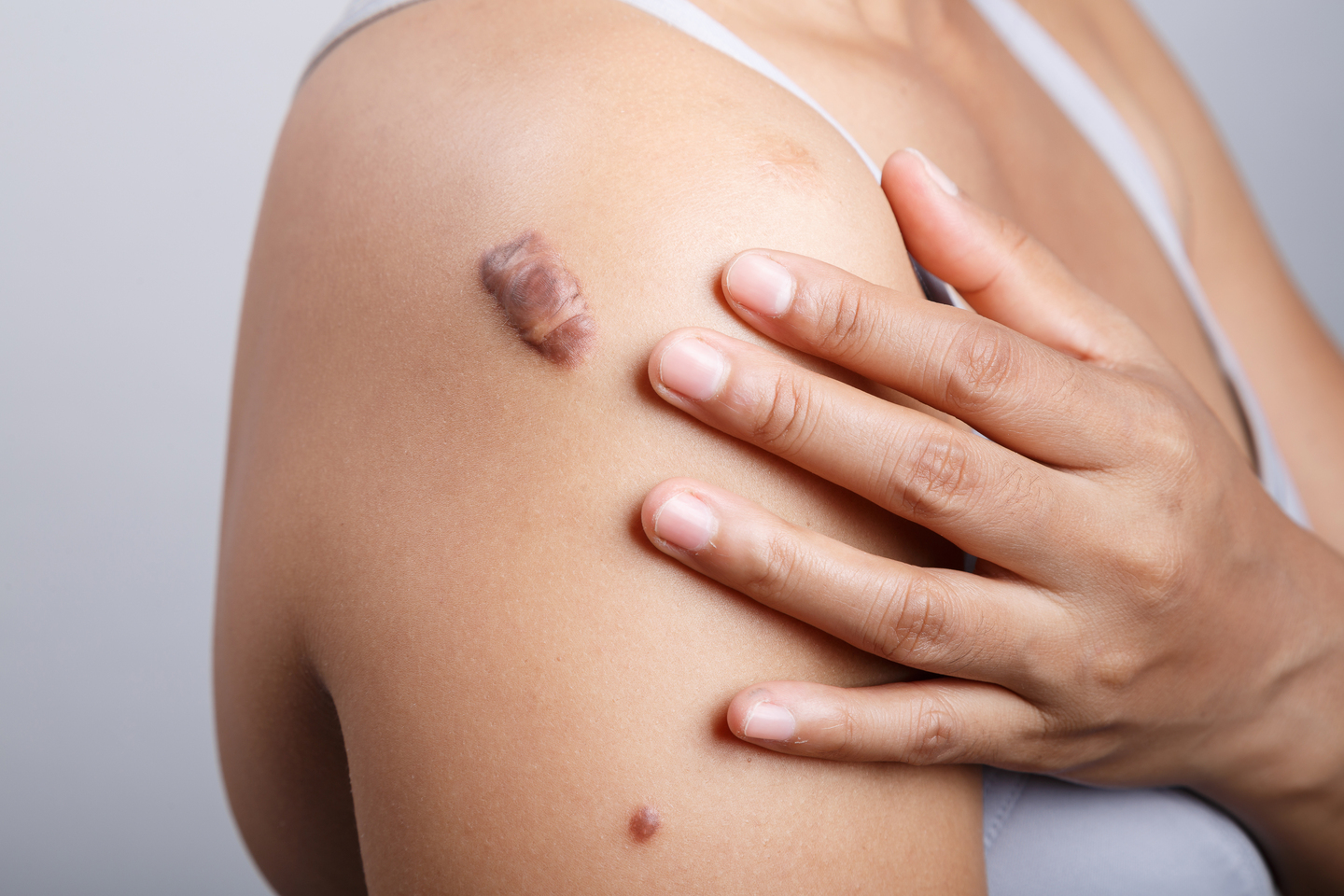
A keloid scar shows up in areas beyond the original wound, often becoming thick, raised, and irregular in shape. Keloids can appear shiny, firm, and sometimes itchy or painful. They may continue to enlarge over time and often appear on the shoulders, chest, earlobes, and cheeks.
A hypertrophic scar, on the other hand, remains within the boundaries of the original injury but still appears raised and red. These scars may improve on their own over time and respond more readily to treatment than keloids.
Treatment Options Available for Keloid and Hypertrophic Scars
While there's no one-size-fits-all approach to scar treatment, it is possible to significantly reduce the appearance, thickness, and discomfort of these scars. Depending on the type and severity, your dermatology provider may recommend one or more of the following options:
- Corticosteroid injections: This is one of the most common treatments. Steroid injections help flatten scars and reduce inflammation. They're often administered every few weeks until the scars show visible signs of improvement.
- Laser therapy: Lasers can target both color and texture to help scars blend more naturally with surrounding skin. Pulsed-dye lasers are particularly effective at reducing redness and smoothing hypertrophic scars.
- Cryotherapy: This method freezes keloid tissue to shrink its size. It's typically used for smaller scars and can be combined with other treatments.
- Silicone gel sheets and topical treatments: Over-the-counter or prescription silicone gels help hydrate scar tissue and can gradually soften raised scars. Consistent daily use over several months often leads to noticeable improvement.
- Pressure therapy: Compression garments can limit blood flow to the area, reducing the thickness of scars that develop after a surgery or burn injury.
- Surgical removal. In some cases, excising the scar is an option. This must be done cautiously, as keloids often return and may grow larger after surgery. Combining surgery with other therapies, such as corticosteroid injections or radiation, lowers that risk.
What to Consider When Seeking Treatment
Choosing the right keloid scar treatment or hypertrophic scar treatment depends on several factors, including skin type, scar size, location, and how long the scar has been present. Because keloids have a higher recurrence rate, dermatologists often use combination approaches to achieve lasting results.
Additionally, genetics plays a role. People with darker skin tones are more prone to keloids, so prevention and early intervention are especially important. Applying gentle wound care, avoiding unnecessary trauma to healing skin, and consulting a dermatologist at the first sign of excessive scarring can make a big difference in the long term.
It's also vital to have realistic expectations. Treatments may reduce the appearance of scars, flatten raised tissue, and relieve symptoms like itching or tenderness, but complete removal is rare. Patience and consistent follow-up care are key.
Schedule a Consultation with Radiant Dermatology & Aesthetics Today
Whether you're dealing with an old surgical scar or a newly formed keloid, expert evaluation is the first step toward clearer, smoother skin. The specialists at Radiant Dermatology & Aesthetics use evidence-based techniques to tailor scar removal options that fit your skin's unique needs.
From advanced laser therapy to combination treatments that minimize recurrence, we'll help you restore your confidence and comfort. Schedule a consultation today to discuss the safest and most effective solutions for your scar type.
Photo Credit: sukra13


.png)

.png)


